Introduction
In today's digital age, innovation plays an essential role in the management of numerous elements of our lives. One area where technology has actually shown impressive potential is in the management of Internally Displaced Persons (IDPs). The plight of IDPs often develops from conflict, natural catastrophes, or systemic discrimination, causing significant challenges in offering them with required assistance. This article checks out how innovative technologies can assist address these difficulties, improve processes, and enhance the overall management of IDPs.
Utilizing Technology To Handle IDPs
The management of IDPs needs robust frameworks that can adapt to their progressing needs. Using technology to manage IDPs enables organizations and federal governments to respond better by leveraging data analytics, mobile applications, and blockchain innovation. Through these tools, stakeholders can offer much better services, track displacement trends, and boost communication with afflicted populations.
1. Comprehending the Idea of IDPs
Internally Displaced Persons (IDPs) refer to individuals who have been forced to leave their homes however remain within their nation's borders. Unlike refugees who cross global boundaries, IDPs face special challenges related to legal securities and access to assistance. Comprehending these characteristics is vital for reliable management.
1.1 The Reasons for Internal Displacement
Internal displacement can originate from numerous aspects:
- Armed Conflict: Continuous wars or civil discontent lead lots of people to leave their homes. Natural Disasters: Earthquakes, floods, and other disasters require neighborhoods to evacuate. Development Jobs: Facilities tasks may displace populations without appropriate settlement or resettlement plans.
1.2 The Effect of Internal Displacement on Communities
The impacts on displaced persons are profound:
- Loss of Livelihoods: Numerous lose their tasks and means of support. Psychological Trauma: The experience of displacement can result in psychological health issues. Social Fragmentation: Communities may become fragmented as households are separated.
2. Current Obstacles in Managing IDPs
Managing IDP populations presents several difficulties for federal governments and humanitarian organizations:
2.1 Lack of Precise Data
Without precise information about the number and area of IDPs, it becomes challenging to designate resources effectively.
2.2 Inadequate Communication Channels
Many displaced people lack access to reputable information concerning readily available support services or safe areas.
2.3 Coordination Among Stakeholders
Multiple organizations frequently work independently; coordination is vital for reliable reaction efforts.
3. Function of Innovation in Dealing With Challenges
Technology offers options that can assist conquer these difficulties:
3.1 Data Analytics for Better Decision-Making
By making use of information analytics platforms, companies can examine patterns in displacement patterns, assisting them make notified choices about resource allocation.
3.2 Mobile Applications for Real-Time Information Sharing
Mobile apps can help with interaction in between displaced individuals and help companies-- providing updates on available resources or safe locations.
3.3 Blockchain Innovation for Transparency
Blockchain technology promotes transparency by securely taping deals related to assist distribution-- making sure that resources reach those who need them most.
4. Case Research Studies Showing Reliable Usage of Technology
Several efforts around the world showcase how technology has actually effectively handled IDP crises:
4.1 The United Nations' Usage of Geographic Information Systems (GIS)
The UN employs GIS innovation to map displacement patterns accurately; this help in preparing interventions efficiently.
4.2 The Role of Social Network Platforms in Crisis Communication
Social media has actually shown vital for real-time updates during crises-- helping firms communicate quickly with affected populations.
5. Strategies for Implementing Innovation Solutions
To effectively use technology in managing IDP circumstances:
5.1 Engaging Resident Communities
Local neighborhoods must be involved in establishing tech options; they comprehend their needs best.
5.2 Making sure Accessibility
Ensuring that technological solutions are accessible to all segments of the population is important-- think about language barriers and literacy levels.
6. Future Trends in Technological Solutions for Handling IDPs
As we look ahead:
6.1 Artificial Intelligence (AI) Enhancements
AI could even more enhance predictive analytics concerning displacement patterns-- assisting organizations prepare for crises before they escalate.
6.2 Increased Partnership Across Borders
Global cooperation might result in shared databases and resources that improve responses throughout regions experiencing similar challenges.
7. Conclusion: A Require Ingenious Approaches
The management of Internally Displaced Individuals requires a multi-faceted technique incorporating advanced technological services tailored particularly for their needs-- making it crucial for federal governments and companies alike to invest time and resources into these innovations.
FAQs
Q1: What must I do if I am an internally displaced person? A1: Seek assistance from regional NGOs or federal government firms devoted to helping displaced people discover shelter and resources.
Q2: How does technology enhance interaction amongst help agencies? A2: Innovation boosts info sharing through platforms that enable real-time updates relating to offered services or modifications in conditions affecting IDPs.
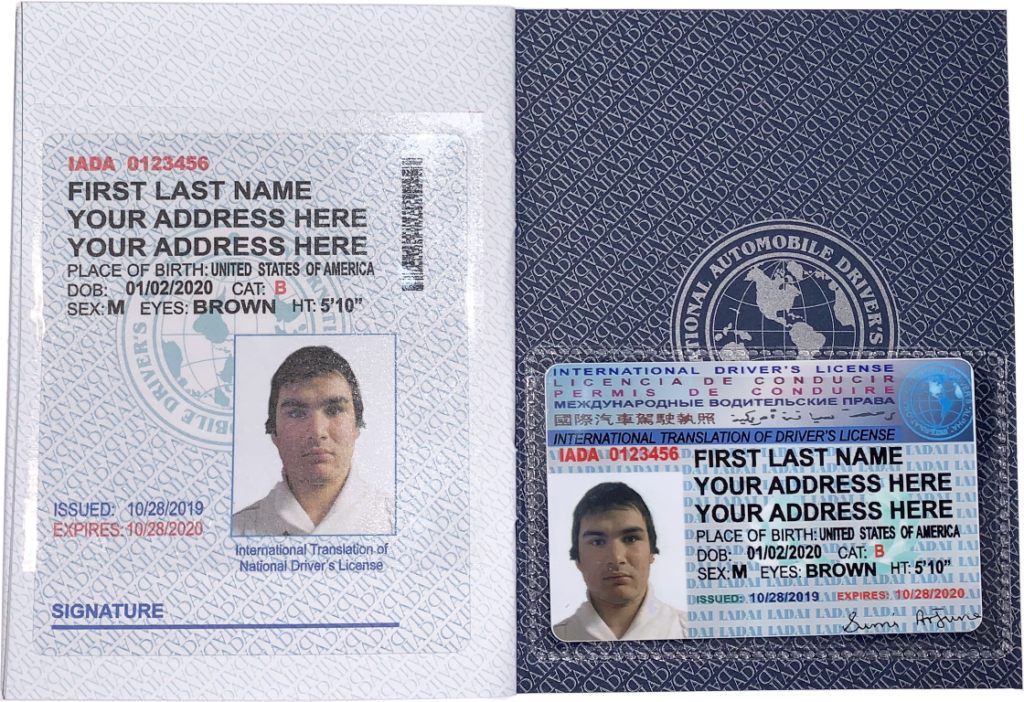
Q3: Can I obtain a worldwide motorist's license online while being displaced? A3: Yes! Many countries offer online services where you can get an international motorist's license even if you're presently displaced; just inspect your local regulations!
Q4: What are some examples of mobile apps created for IDP assistance? A4: Apps like "Refugee Pal" deal details on readily available services while "Disaster Emergency" offers informs throughout crises affecting your area!
Q5: How does blockchain make sure openness in help distribution? A5: Blockchain records transactions safely so that every help distribution is traceable; this reduces corruption dangers ensuring resources reach those who need them!
Q6: Exist particular technologies being developed for usage in Spain concerning internal displacement? A6: Yes! Different local NGOs are working together with tech business to develop applications focused on assisting internally displaced individuals particularly within Spain's special context.
In conclusion, using technology provides unprecedented opportunities when handling Internally Displaced Persons effectively-- it's Additional hints not simply about reacting quicker but tailoring solutions that respect human dignity while dealing with complicated logistical challenges head-on!